

Furniture Assembly in Orange County: DIY vs Hiring a Pro (Real Costs, Time & Safety)
Last updated: March 1, 2026
Intro
Flat-pack furniture is everywhere now—beds, dressers, garage cabinets, metal lockers, even office cubicles. The boxes show up, the instructions look “mostly” straightforward… and then the hardware bags, tiny drawings, and 40+ steps kick in.
If you live in Orange County, you basically have three options:
- Do it yourself (DIY)
- Pay the store’s assembly/delivery add-on
- Hire an independent furniture assembly service to come to your home, apartment, or office
This guide breaks down when each option makes sense, what it really costs in money and time, and some safety issues that get skipped in the little paper booklet.
The goal: help you make the smart call—even if that means you don’t hire us.
Quick Chooser: DIY or Hire Help?
If you just want a fast answer, start here:
- One small item, plenty of time, and basic tools
- DIY is usually fine.
- Heavy pieces (dressers, wardrobes, lockers, home gyms) or anything tall around kids
- Use a pro or store assembly, and anchor it.
- Wall-mounted cabinets, lockers, or safes
- Hire a pro. You’re dealing with studs, anchors, and real safety issues.
- Moving into a new place and need multiple items built in one day
- A crew is usually faster and cheaper overall than using your whole weekend.
- Budget is tight and you don’t mind taking your time
- DIY, but follow the safety tips below so it doesn’t end up wobbly.
- You’ve already tried, it’s half built, and you’re frustrated
- Stop, don’t force it. A pro can usually fix it without damaging the pieces.
What Actually Goes Into the Assembly Process?
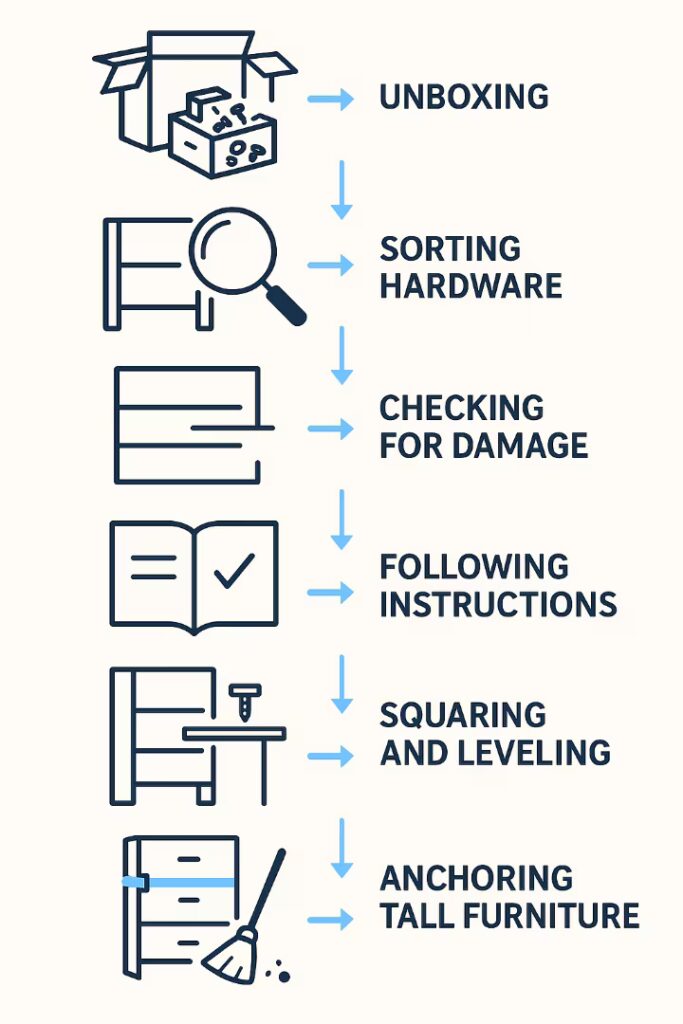
Most instruction booklets make it look like “Step 1–10 and done.” In reality, a proper assembly usually includes:
- Unboxing carefully (so you don’t slice fabric or scratch panels)
- Counting and sorting hardware
- Checking for shipping damage before you build
- Following the correct order so pieces stay square
- Using the right tools (not just the mini hex key)
- Leveling and adjusting doors/drawers so they close correctly
- Anchoring tall or heavy items to the wall (especially with kids, pets, or earthquakes)
- Cleaning up boxes, foam, and shrink wrap afterward
If you’re not familiar with the different types of fasteners used in flat-pack furniture, this quick guide can help you identify screws and hardware correctly: Types of Screws and When to Use Them (Family Handyman)
If any of that sounds like a headache, you’re not alone—that’s why furniture assembly services exist.
Option 1: DIY (Do It Yourself)
What it is
You handle everything yourself: tools, time, lifting, and cleanup. Good for smaller pieces or if you enjoy this type of project.
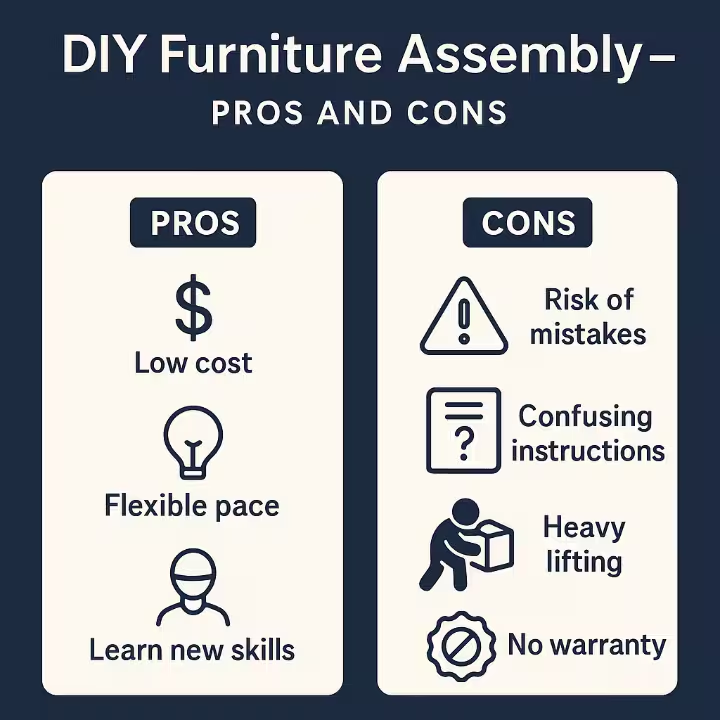
Pros
- Lowest cash cost
- You can work at your own pace
- Good excuse to learn basic tools/DIY skills
- No need to schedule around someone else’s calendar
Cons
- Instructions can be confusing or translated poorly
- Easy to strip screws, crack panels, or build something out of square
- Heavy or awkward items are hard to flip and stand up safely alone
- No warranty on your labor if something goes wrong
- Tall furniture may not get anchored properly (big safety issue)
Best When
- It’s a simple item: nightstand, small desk, basic TV stand, single chair
- You already own basic tools (drill/driver, bits, level, rubber mallet)
- You don’t mind it taking a couple of evenings
- You’re physically able to lift/flip pieces safely
DIY Prep Tips
- Work on a soft surface (moving blanket, rug) so you don’t scratch panels
- Sort hardware into little piles or cups and check counts before you start
- Don’t fully tighten everything until the main frame is together and square
- Use a real screwdriver or drill on low torque—not just the tiny included tool
- If you’re not comfortable drilling into walls or finding studs, don’t guess—skip wall mounting and bring in help for that part
Option 2: Store or Retailer Assembly (Add-On Service)
What it is
Some retailers (IKEA, Costco, Amazon via third-party, etc.) offer in-home assembly for an extra fee, often scheduled around delivery.
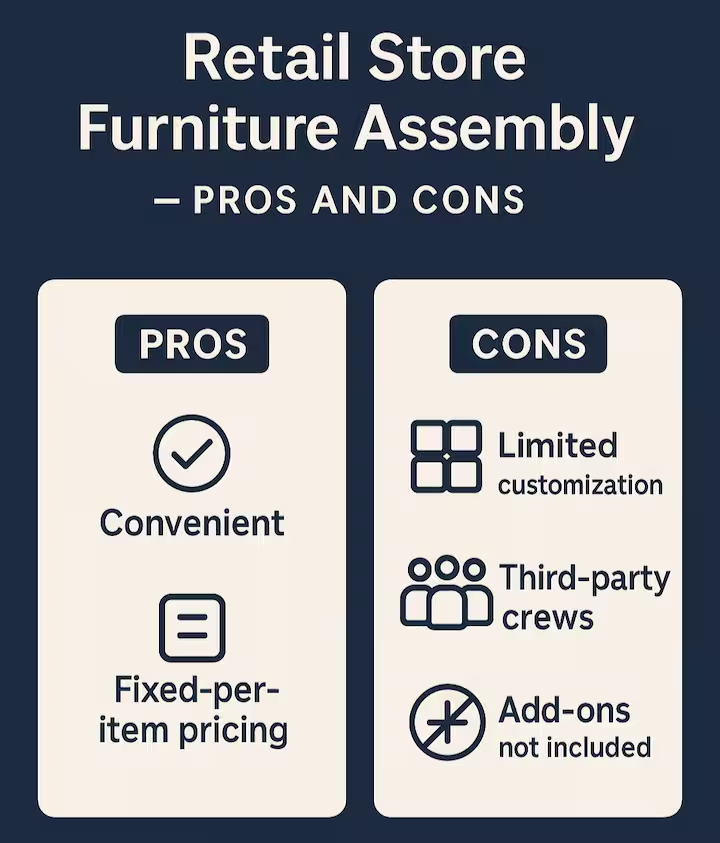
Pros
- Convenient—one transaction when you buy
- Pricing is usually fixed per item
- You don’t have to shop around or contact anyone else
Cons
- Limited flexibility on scheduling
- Crews are often third-party contractors you don’t choose
- Add-ons like wall anchoring, haul-away, or moving existing furniture may not be included
- If they miss a detail or rush, fixes can mean more scheduling and calls
Best When
- You’re already ordering from a store that offers assembly at checkout
- You’re okay with their schedule and basic service (no custom work or extra requests)
- Pieces are standard: bed frames, dressers, simple desks, basic bookcases
Option 3: Independent Furniture Assembly Service (Local Pros)
What it is
You hire a local company that specializes in furniture assembly—living room sets, bedroom furniture, garage cabinets, metal lockers, office furniture, wall-mounted safes, and more.
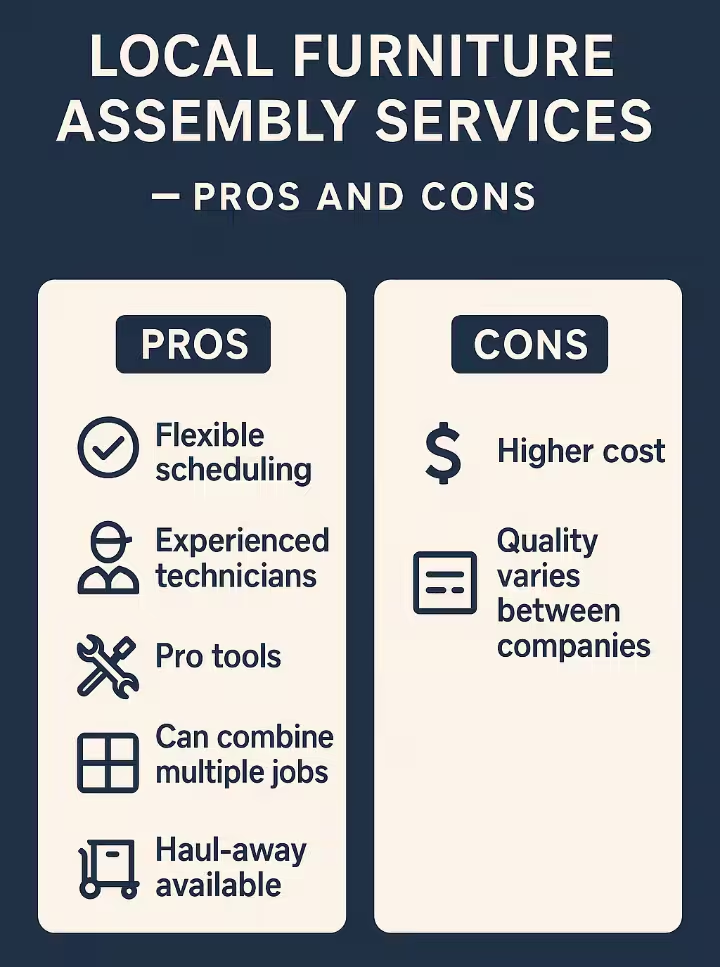
Pros
- Flexible scheduling (evenings / weekends / move-in days)
- You choose the company—check reviews, photos, and insurance
- Crews usually bring pro tools, moving blankets, and wall-anchoring hardware
- Easier to combine multiple jobs: “Build the bed, dresser, lockers, and mount the safe in one visit”
- Many will haul away cardboard and packaging for you or bundle junk removal
Cons
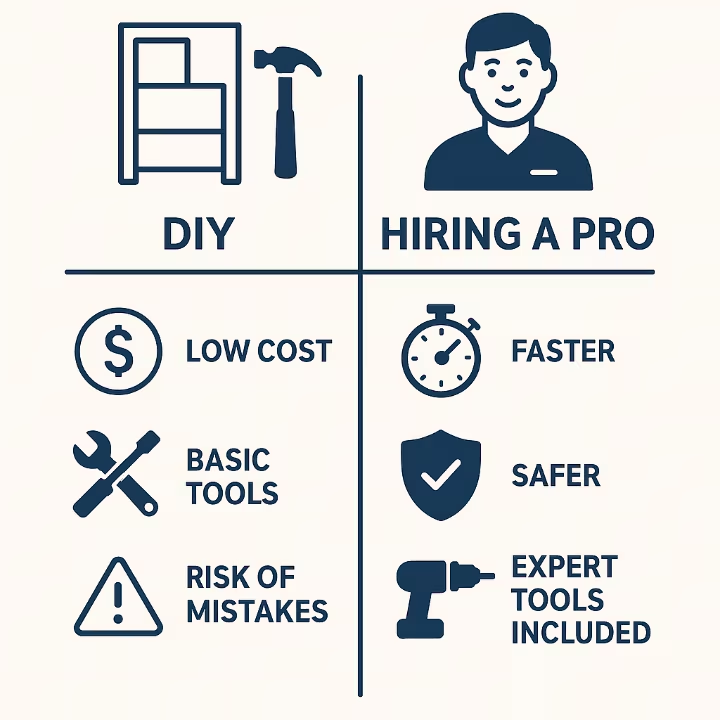
- More expensive than pure DIY
- Quality varies—important to choose a licensed, insured crew
- You’ll need to send photos or item list upfront for an accurate quote
Best When
- You’ve got multiple pieces or a full room/garage/office to set up
- Items are large, heavy, or need to be anchored or wall-mounted
- You’re short on time, don’t want to deal with instructions, or have physical limitations
- You want one crew that can handle both assembly and cleanup/haul-away
What Does Furniture Assembly Actually Cost?
Pricing varies by company, item complexity, and how many pieces you have, but here are typical patterns we see in Orange County:
- Per-item pricing (common for simple pieces)
- Dining chair: often bundled as a set
- Small nightstand / basic end table
- Simple TV stand or bookcase
- Flat-rate per project (common for multiple items or complex builds)
- Bedroom set: bed frame, dresser, nightstands
- Garage storage: metal lockers, cabinets, wall units
- Office setups: multiple desks, file cabinets, cubicles
- Hourly crews (often 2 techs)
- Good when the scope is fuzzy or you have a long punch list
- The more organized you are (all boxes in one area, clear path, parking), the more you get done in the time
Most people underestimate time cost. A bedroom set that takes a pro crew 2–3 hours can easily eat a whole Saturday (or two) for a homeowner—especially if you’re working around kids, work calls, or HOA rules.
Time vs Money vs Safety: How To Decide
When you’re deciding between DIY and hiring help, ask three questions:
- If something goes wrong, what’s the worst case?
- A crooked shelf? Annoying but fixable.
- A 7-foot wardrobe or metal locker tipping over onto a child? Not worth the risk.
- What’s your time really worth?
- If you’ve got one small nightstand and you enjoy projects, DIY it.
- If your living room, bedroom, and garage are full of boxes, a crew that knocks it out in one visit is usually cheaper than losing multiple weekends.
- Will you actually finish it soon, or will boxes sit for weeks?
- Half-built furniture in high-traffic areas is easy to trip on or damage.
- The longer it sits, the more likely parts get lost or bent.
Common Mistakes (And How To Avoid Them)
Even handy people get tripped up by flat-pack furniture. These are mistakes we see all the time in Orange County:
- Building on concrete or rough floors → Panels get scratched before you even finish.
- Fix: Always build on blankets or cardboard.
- Skipping the step where you square and level everything → Doors never close right and units wobble.
- Fix: Check that things are square before final tightening; use a level.
- Using the wrong screws in the wrong place → Panels bulge, laminate cracks, or fasteners poke through.
- Fix: Sort and compare hardware carefully. If something feels “forced,” stop.
- Over-tightening cam locks and confirmat screws → Strips the material inside the panel; you can’t undo that.
- Fix: Snug, not gorilla tight. Let the hardware do its job.
- Not anchoring tall items → Dressers, bookcases, metal lockers, and cabinets can tip—especially in homes with kids, pets, or earthquakes.
- Fix: Always anchor tall or heavy pieces. If you’re not comfortable drilling into walls, bring in a pro just for that part.
- For official guidance on safe anchoring, visit the U.S. CPSC Anchor It! Program: U.S. CPSC Anchor It! Furniture Tip-Over Safety Guide
- Underestimating weight and awkward lifts → Trying to flip a large cabinet alone is how people hurt their backs or crack panels.
- Fix: Have a second set of hands or let a crew handle the heavy stuff.
- For anyone lifting large or awkward furniture pieces, OSHA has a simple ergonomics guide that explains safe lifting techniques and how to avoid back and shoulder injuries: OSHA Ergonomics: Safe Lifting Guide
How To Get Ready for a Furniture Installation Service
If you decide to hire a pro (us or anyone else), a little prep makes the job faster and cheaper:
- Put boxes in the room where items will live (or as close as possible)
- Clear pathways from the door/garage to the work area
- Move fragile items off nearby shelves or countertops
- Know where you want things placed (especially beds, desks, and lockers)
- Have parking instructions ready (gates, visitor parking, loading zones, elevator codes)
Most good crews will handle everything else: tools, blankets, setup, and cleanup.
Quick FAQs
When It Makes Sense To Call a Pro
If you’re staring at a stack of boxes and thinking:
- “I don’t have time for this.”
- “I’m worried I’m going to mess it up.”
- “This thing is heavy and I don’t want it falling on anyone.”
…that’s usually your answer.
If you’re in Orange County and decide you’d rather have a crew handle it:
- Text a photo of your boxes (or order receipts) with your city and time window
- Mention stairs, wall mounting, or any tight spaces
- Ask for a flat-rate quote so you know the total before anyone shows up
Whether you choose DIY or decide to hire it out, having your furniture properly assembled and anchored means you’ll actually get to enjoy your space instead of stepping around boxes for weeks.
If you’re in Orange County and want a fast, flat-rate quote from a local crew you can trust, you can get one instantly below.
Takes less than 2 minutes • No name, email, or credit card required
Quick Links
- Main Page: Home
- Main Service Page: Furniture Assembly in Orange County
- Related Services: Moving Services | Junk Removal | Handyman