

Moving Out in Orange County: The Real Move-Out Checklist (2026)
Last updated: March 1, 2026
Moving out sounds simple until you’re staring at a half-packed apartment, an overloaded car, a couch that won’t fit through the door, and a landlord who suddenly “notices” every wall anchor you’ve ever used.
This guide is built for real life in Orange County: apartments with stairs and tight hallways, HOA rules, parking limitations, and move-out deposits that disappear over tiny issues. I’m going to give you multiple options (including free routes), a timeline you can follow, and the exact stuff people forget until it’s too late.
If you’re moving within OC, moving out of an apartment, or trying to avoid deposit drama, start here.
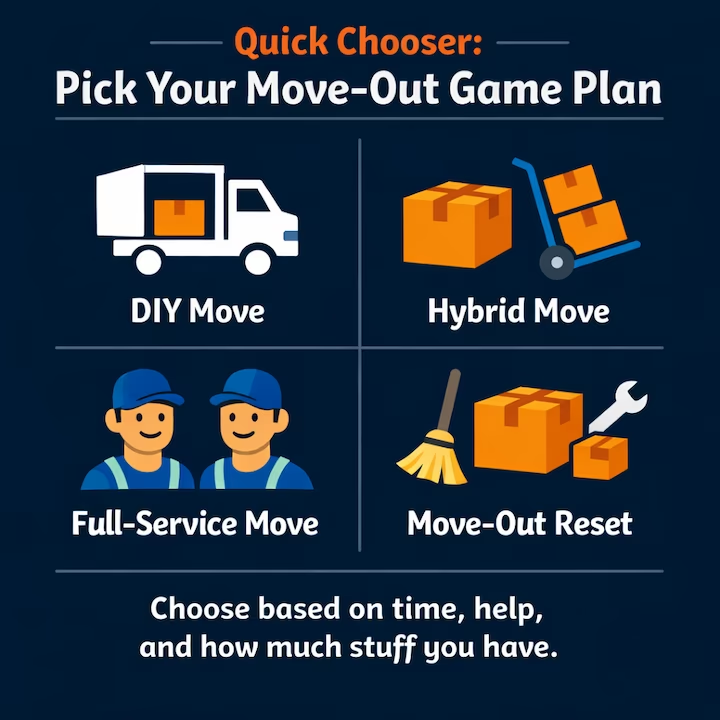
Quick Chooser: Pick Your Move-Out Game Plan
Use this to choose the right approach based on time, help, and how much stuff you actually have.
- You have help + time + a truck → DIY move (cheapest, most work)
- You can pack, but heavy items/stairs stress you out → Hybrid move (you pack, pros move heavy)
- You’re slammed and want it handled → Full-service move (most expensive, least effort)
- You have leftover junk + minor repairs + moving in one week → Move-out reset (junk removal + quick fixes + move)
Fast rule:
If you’re short on time, do junk first, then packing, then moving. Moving junk is the #1 way people waste time and money.
Before You Do Anything: 3 Quick Checks That Save You Pain
1) Timeline check
- More than 2 weeks → you have time to do it cleanly
- 7–14 days → you need a plan + booked help
- Less than a week → stop “thinking,” start scheduling
2) Access check (this affects price + effort)
- Stairs? Tight hallways? No elevator? Long carry from parking?
- Apartment move-out windows (some buildings require scheduling)
3) Volume check (be honest)
If It Takes More Than:
- 1 car → you have more than you think
- 1 pickup truck load → you’re in “plan it” territory
- 2+ loads → you’ll bleed time unless you simplify
The 10 Things People Forget (Until Move Day Punches Them in the Face)
- Elevator + loading zone reservations (apartments)
- Parking permits / guest parking rules / HOA rules
- Doorway + hallway measurements (especially couches + dressers)
- Disassembly time (beds, desks, sectionals are never “quick”)
- “Donation pile” that never gets donated
- Trash overflow (boxes + packing material + random junk)
- Utility overlap (internet ends early, power gets shut off, fridge defrost becomes a mess)
- Final walkthrough photos (timestamped)
- Small wall damage (anchors, scuffs, nail holes)
- Cleaning the appliances (oven + fridge are deposit killers)
If you only fix one thing: measure big furniture + doorways early. It’s brutal realizing you can’t get something out after it’s already half moved.
Pro move: file your USPS change of address early so mail forwarding is already running before move week.
Moving Out Timeline: 30 Days → Move Day (Orange County Edition)
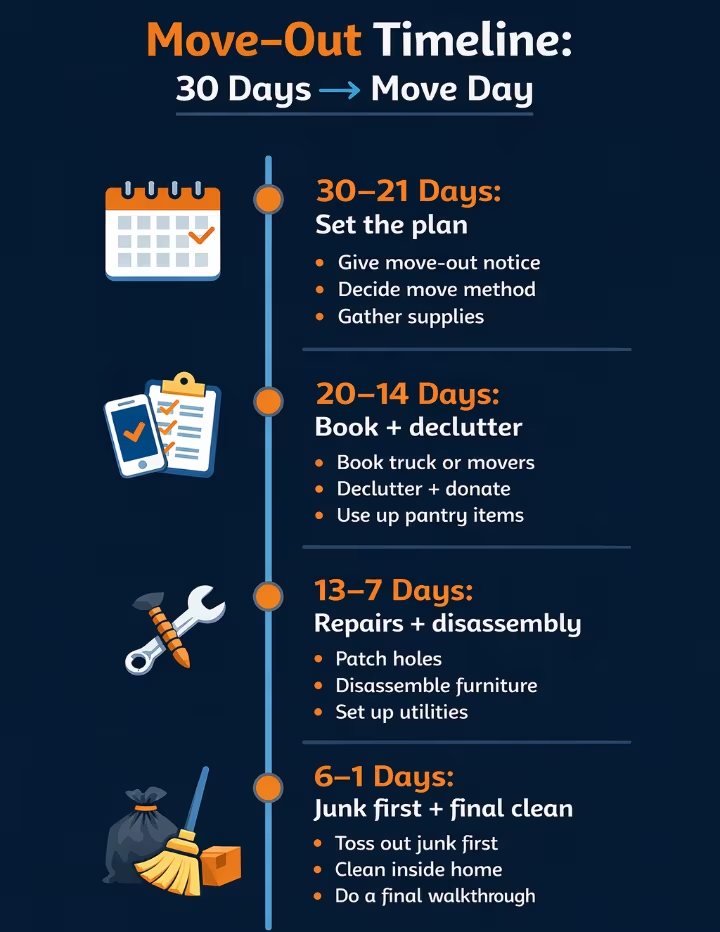
30–21 Days Out: Set the plan
- Pick your move date + time window
- Decide your move type (DIY / hybrid / full-service)
- Start a 4-pile sort: Keep / Sell / Donate / Junk
- Get supplies: boxes, tape, stretch wrap, mattress bag (if needed), labels
20–14 Days Out: Book and declutter
- Book movers or truck / helpers
- Schedule any pickups you’ll need (donation drop, bulky pickup, junk removal)
- Start packing non-essentials (decor, extra clothes, books)
- Take photos of valuables + electronics setups (makes reassembly faster)
13–7 Days Out: Prep the “deposit + damage” stuff
- Patch small holes, tighten loose handles, fix wobble issues
- Start disassembling large furniture you won’t use daily
- Confirm move-out instructions (parking, keys, elevator, disposal rules)
- Pack by room and label like a psycho (future-you will thank you)
6–1 Days Out: Execute (clean + fast)
- Remove junk before the move (seriously)
- Pack kitchen last
- Do the final clean after big items are out
- Take walkthrough photos and video: floors, walls, appliances, bathrooms
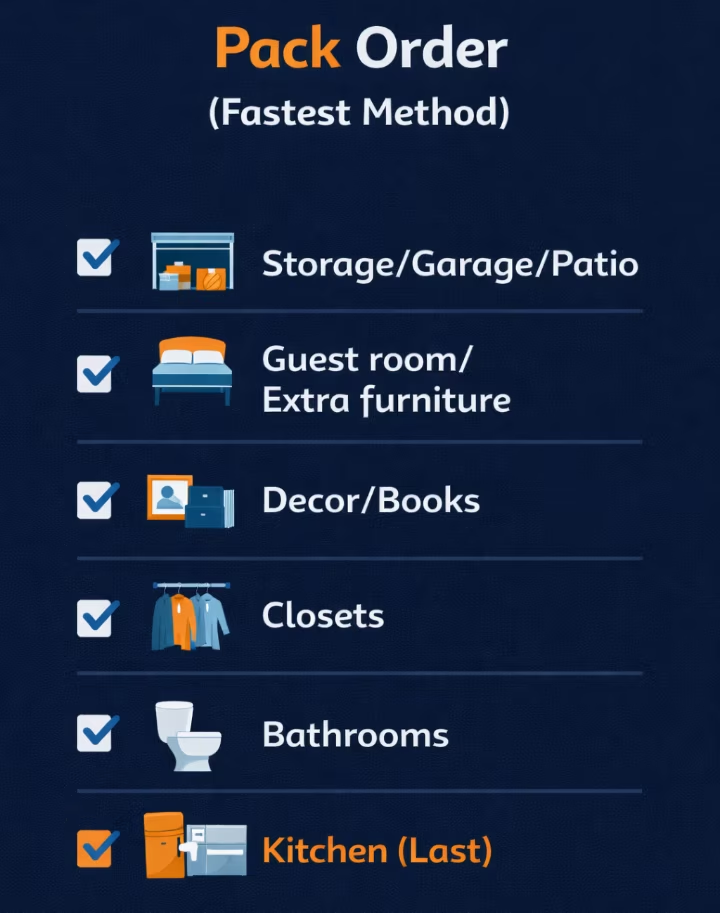
Room-by-Room Packing Order (Fastest Method)
Pack in this order to keep your life functional:
- Storage / garage / patio
- Guest room / extra furniture
- Decor, books, rarely used items
- Closets (off-season first)
- Bathrooms (extras first)
- Kitchen (last)
- Daily essentials stay out until final 24 hours
Pro move: Make one “open first” bin:
- toilet paper, paper towels
- trash bags
- scissors/box cutter
- chargers
- basic tools
- soap + towel
- meds
- one change of clothes
The Junk-First Rule (Why It Makes Your Move Cheaper + Faster)
Most people try to “move everything” and sort later. That’s backwards.
Junk first saves you:
- Loading time
- Carry distance effort
- Truck space
- Stress
- “Why are we moving this?” arguments
What to remove before moving day
- Broken furniture
- Old mattresses
- Extra chairs/tables you don’t want
- Boxes of “maybe”
- Old appliances
- Random garage/patio clutter

Your disposal options (free → paid)
When Each Option Makes Sense:
- Sell (fast): Facebook Marketplace / OfferUp, price to move
- Donate: only if it’s clean + actually gets dropped off
- City bulky pickup: good if you can wait + follow rules
- Drop-off: fastest free route if you have a truck
- Professional pickup: best when it’s heavy, upstairs, or you’re out of time
Neutral truth: free options are great if you have time and can move items yourself. If you’re on a deadline or dealing with stairs, paid pickup becomes the “buy your time back” move.
Furniture Disassembly & Reassembly (The Most Underrated Part)
Furniture assembly/disassembly is where moves go off the rails because it’s slow and annoying.
Usually worth disassembling
- Beds (frames + headboards)
- Sectionals
- Big desks
- Dining tables with bulky legs
- Large shelving units (if they’re tall and flimsy)
Usually NOT worth disassembling (unless needed)
- Solid dressers (often better wrapped and moved)
- High-quality solid wood pieces (disassembly can weaken joints)
- Anything you can’t reassemble confidently
Hardware system (don’t skip this)
- Put screws in a zip bag
- Label the bag
- Tape it to the furniture part (not loose in a box)
- Take one photo before removing anything
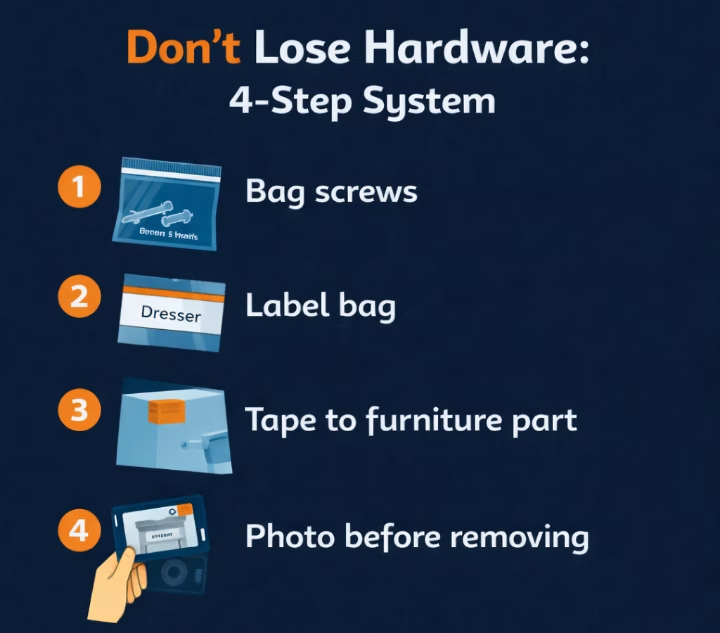
This one habit prevents hours of “where the hell did the bolts go?”
Quick Handyman Fixes That Protect Your Deposit (Apartment-Friendly)
You don’t need to remodel. You just need to eliminate obvious “chargeable” issues.
The common move-out charges
- Wall anchors / big holes
- Scuffed paint
- Loose fixtures (handles, towel bars)
- Missing blinds / damaged screens
- Dirty oven / fridge
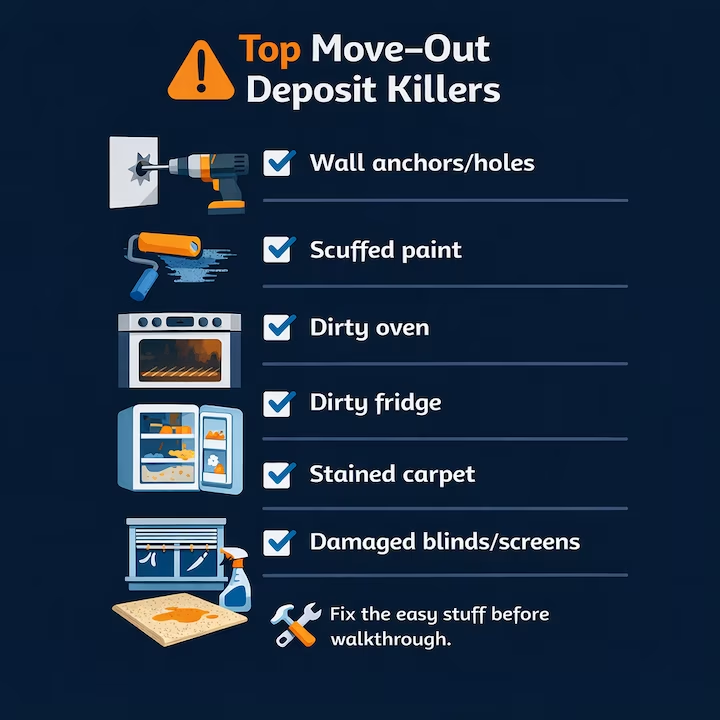
If you want the official breakdown of what landlords can (and can’t) deduct, check California security deposit rules here. (Not legal advice — just a helpful reference for move-out planning.)
The “fast fix” list
- Patch small holes and sand smooth
- Wipe scuffs (magic eraser style tools work, but test first)
- Tighten loose hinges/handles
- Replace dead smoke detector batteries
- Clean appliances last (after furniture is out)
Real talk: Most deposit losses come from easy stuff people skip because they’re tired.
Moving Day Playbook (So It Doesn’t Turn Into Chaos)
Load order (simple)
- Heavy, big items first
- Mattresses + couches
- Boxes (heaviest on bottom)
- Fragile items last

Protect the property
- Use moving blankets on door frames and corners
- Keep pathways clear (don’t stack boxes in hallways)
- If you’re in an apartment: protect elevators and walls (management will notice)
Timing
- Start earlier than you think
- Build in “dead time” for stairs, keys, elevator waits, and parking changes
DIY vs Hybrid vs Full-Service (Pros/Cons + Best When)
Option 1: DIY Move
Pros
- Lowest cost
- Full control
Cons
- Highest effort
- Easy to underestimate time + injuries
Best when: You have help, time, and minimal stairs.
Option 2: Hybrid Move (You pack, pros move heavy)
Pros
- Great value
- Saves your back
Cons
- Still requires planning and packing
Best when: You can handle boxing/labeling but want pros for heavy carry.
Option 3: Full-Service Move
Pros
- Lowest effort
- Fastest when done right
Cons
- Highest cost
Best when: You’re slammed, moving far, or want it off your plate
Option 4: Move-Out Reset (Junk + Quick Fixes + Move)
Pros
- Solves the “leftover junk + repairs + moving” combo
- Prevents last-minute panic
Cons
- Costs more than DIY
Best when: You’re moving out of an apartment, short on time, or need stairs handled cleanly.
Common Move-Out Mistakes (and How to Avoid Them)
- Waiting to schedule help → movers/trucks get booked, you overpay
- Packing without sorting → you move junk you don’t even want
- Not labeling boxes → unpacking turns into suffering
- Ignoring stairs/long carry → move takes 2x longer
- Leaving junk for “later” → later becomes “never,” and you scramble
- Skipping walkthrough photos → you lose disputes before they start
- Appliances not cleaned → deposit gets hit every time
Quick FAQs
These answers are based on common move-outs across Orange County. Rules and timelines can vary by city, building, and lease agreement.
About OC Bros
We’re a licensed and insured local team serving all of Orange County. We help people plan clean, efficient move-outs — from junk removal and moving to furniture assembly and last-minute fixes. Flat-rate pricing, clear timelines, and no surprises.
Next Step
- Want to DIY part of your move? Use the free options outlined above and plan your timeline early.
- Want help with heavy lifting, junk, or tight deadlines? Text a photo and your city to (657) 776-2336 for a flat-rate estimate and a clear game plan.
Ready to lock in your move-out plan?
Skip the chaos and last-minute surprises. Text a photo of what you’re moving (or leaving behind) to (657) 776-2336 and we’ll help you choose the fastest, most cost-effective option — whether that’s junk removal, moving, furniture assembly, or a full move-out reset anywhere in Orange County.
Licensed, insured, and locally trusted. Use our instant cost calculator below for a quick estimate.
Takes less than 2 minutes • No name, email, or credit card required